
Blog

What Makes a Mexican Restaurant Worth the Trip? 7 Things Diners Notice Before They Leave

Going out to eat is easy. Finding a restaurant that actually feels worth the time, money, and effort is harder.

Today’s diners are paying closer attention to the overall value of a restaurant visit. According to McKinsey’s 2026 research on U.S. restaurant consumers, value and pricing remain major concerns, but food quality, portion size, and the overall dining experience also strongly influence whether customers feel a restaurant was worth the money.

That changes the question.

Instead of asking, “Is this restaurant expensive or inexpensive?” a better question is:

“Will I feel good about choosing this place when the meal is over?”

For a Mexican restaurant, that answer goes far beyond whether the food tastes good. Here are seven things diners notice before they decide whether they would come back.

1. The Food Has to Deliver More Than Familiar Flavors

Mexican cuisine is familiar to many Americans, but familiarity also raises expectations.

Diners may recognize tacos, enchiladas, fajitas, nachos, or margaritas. What they remember, however, is how those dishes actually tasted and whether the meal felt thoughtfully prepared.

Quality matters because it directly affects perceived value. McKinsey found that among consumers who felt a recent restaurant experience was not worth the money, poor food quality and portion size were two of the leading reasons for disappointment.

That means a restaurant cannot rely on a familiar menu alone.

Freshness, flavor, preparation, presentation, and consistency all contribute to whether a meal feels satisfying.

At Azúcar Restaurant, the menu brings together Mexican favorites and broader Latin American specialties, giving diners the opportunity to choose between familiar comfort foods and dishes they may not have tried before.

2. There Should Be Something for Everyone at the Table

Choosing a restaurant becomes considerably harder when you’re not eating alone.

One person wants seafood. Someone else wants meat. Another guest may prefer something lighter or vegetarian. Someone else may already be thinking about dessert.

A restaurant becomes more valuable when a group can find different options without having to compromise on the experience.

This is especially important for family dinners, date nights, celebrations, and gatherings with friends.

A strong menu does not simply offer a long list of dishes. It gives different diners enough variety to find something they genuinely want to eat.

Azúcar’s current menu includes Mexican specialties, seafood, salads, soups, appetizers, desserts, beverages, and vegetarian-friendly choices, giving groups room to choose according to different tastes and preferences.

3. The Experience Should Feel Different From Eating at Home

If the only objective were to get food, staying home would often be easier.

Dining out offers something else: a change of environment.

The National Restaurant Association’s 2026 research identifies experiences, comfort, discovery, and value as important forces shaping restaurant choices. Its culinary forecast also notes that consumers increasingly look to restaurants for foods and experiences they cannot easily recreate at home.

That is why atmosphere matters.

The setting, music, service, conversation, drinks, and pace of the evening can transform an ordinary meal into an occasion—even when there is no official occasion at all.

A restaurant worth visiting should give you a reason to stay a little longer.

4. Service Can Change the Entire Meal

Great food can get people through the door.

Great hospitality can determine how they remember the visit.

Diners notice whether they feel welcomed, whether questions are answered, whether the staff is attentive, and whether the meal feels organized rather than rushed or forgotten.

This does not mean service has to be elaborate. Often, the details that matter most are simple: attentiveness, communication, timing, and making guests feel comfortable.

The National Restaurant Association’s 2026 industry report emphasizes the importance of delivering the experiences customers seek while strengthening guest connections.

For a full-service restaurant, hospitality is not an extra feature. It is part of what customers are paying for.

5. Drinks Should Complement the Experience

For many adults, the restaurant experience does not begin and end with the entrée.

A margarita before dinner. A cocktail with friends. A beverage shared during a celebration. Something sweet after the meal.

These moments become part of the occasion.

This is increasingly relevant in today’s restaurant environment. In August 2026, the National Restaurant Association reported that beverages are becoming an increasingly important driver of restaurant traffic, with consumers—particularly younger diners—looking for more choice, discovery, and beverage-focused experiences.

A well-rounded restaurant understands that drinks are not simply something added to a meal. They can help shape the mood of the entire visit.

6. The Restaurant Should Give You a Reason to Come Back

The best restaurant experience does not necessarily end when the check arrives.

You remember it.

Maybe it was the meal you shared with your family. Maybe it was a date night that turned into a longer evening. Maybe you discovered a new dish. Maybe the atmosphere made an ordinary Saturday feel different.

That emotional connection is valuable because dining out is becoming increasingly intentional.

McKinsey found that even consumers who are reducing restaurant spending often prefer to adjust what they order or how frequently they visit rather than immediately abandoning their preferred restaurants.

In other words, when people decide a restaurant is worth it, they have a reason to protect that choice.

The goal is not simply to make someone full.

It is to make the experience memorable enough that the next time they ask, “Where should we eat?”, your restaurant comes to mind.

7. It Should Feel Worth the Time, Not Just the Money

There is one final test that brings everything together.

When you leave, do you feel like the visit was worth it?

Worth getting dressed for.

Worth driving there.

Worth sitting down together.

Worth putting your phone away for a while.

Worth the money.

Worth the memories.

That is the real difference between simply serving a meal and creating a dining experience.

And it is why choosing a restaurant should not be based exclusively on price or a photograph of one dish. Food quality, variety, hospitality, atmosphere, beverages, and the overall experience all contribute to the value diners perceive.

The Right Restaurant Gives You More Than Dinner

A Mexican restaurant can satisfy your appetite.

A truly memorable restaurant can give you a reason to slow down, reconnect, celebrate, discover something new, or simply enjoy an evening without having to wait for a special occasion.

At Azúcar Restaurant, the goal is to bring together Mexican and Latin American flavors with an inviting dining experience for families, couples, friends, and groups. The menu includes everything from Mexican specialties and seafood to salads, soups, cocktails, and desserts, creating options for different kinds of meals and occasions.

So the next time you’re deciding where to eat, don’t ask only:

“What should we order?”

Ask:

“What kind of experience do we want to have?”

If the answer is great food, drinks, conversation, and a table worth gathering around, Azúcar Restaurant is ready to welcome you.

Visit Azúcar Restaurant at 14418 Layhill Rd, Silver Spring, MD 20906, or call (301) 438-3293 to plan your next dining experience.

READ MORE
Blog

The Latin Grill: Much More Than Meat on a Flat Top

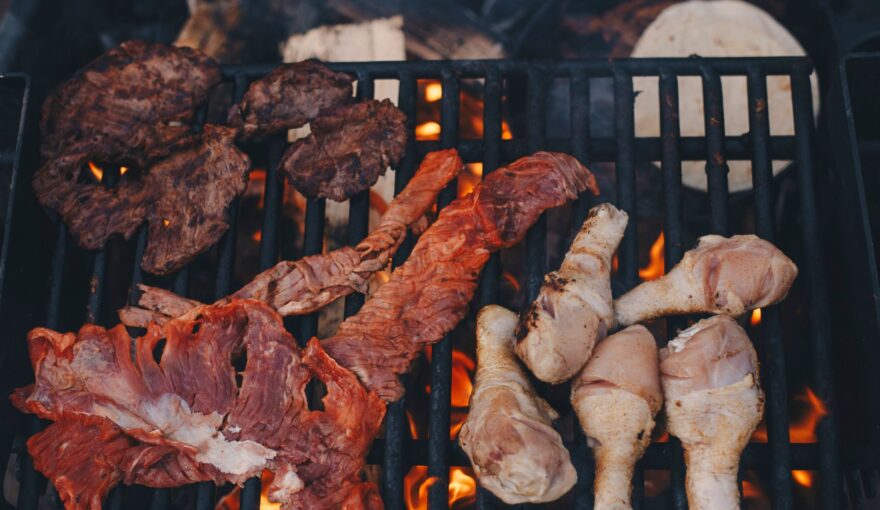
In Latin cuisine, grilling is not simply a way to cook food—it is a cultural language. Across Mexico, Central America, and South America, the grill represents tradition, patience, and respect for ingredients. The flavor that comes from a true Latin grill cannot be rushed or improvised, and it goes far beyond placing meat over heat.

At Azúcar, we treat the grill as a craft, not a shortcut.

Mexico: fire, marinades, and balance

In Mexican grilling traditions, flavor begins long before the meat touches the flame. Marinades made with citrus, garlic, herbs, and dried chiles are designed not to mask the protein, but to enhance it. Grilling is done with careful attention to heat zones, allowing the meat to caramelize without drying out.

The result is a balance of smokiness, acidity, and natural meat flavor—a technique that requires experience, not guesswork.

Central America: simplicity that highlights quality

Central American grilling is rooted in simplicity and ingredient quality. The focus is on well-seasoned meats cooked over live fire, often paired with plantains, cassava, or corn-based sides. Here, grilling is about restraint: letting the fire bring out the essence of the ingredient instead of overpowering it.

This style demands excellent sourcing and precise timing. When done correctly, the flavor is clean, deep, and unmistakably authentic.

South America: mastery of the open flame

South American asado traditions elevate grilling to an art form. Cuts are selected specifically for slow grilling, allowing fat to render gradually and create rich, layered flavor. Temperature control is critical, and cooking times are respected—never rushed.

This approach transforms grilling into a slow, deliberate process where texture, aroma, and taste develop together.

Why the Latin grill tastes different

What sets Latin grilling apart is intention. The fire is not just a heat source; it is part of the recipe. Each region understands how flame interacts with marinades, fats, and natural juices, creating flavors that cannot be replicated on a flat top or in a pan.

True grilling takes time, experience, and consistency. There are no shortcuts.

A grill guided by tradition

At Azúcar, our grill reflects these traditions. Every cut is prepared with purpose, every flame carefully controlled. This commitment ensures that each dish delivers the depth, aroma, and texture that define authentic Latin cuisine.

Choosing where to dine is choosing how your food is treated—from the moment it’s seasoned to the moment it reaches your table. Experience a grill that respects tradition and delivers flavor the way it was meant to be enjoyed.

At Azúcar, the grill is not just a cooking method—it’s a promise of authenticity.
READ MORE
Blog

Culinary Festivities: Traditional Dishes for Mexican Celebrations

The richness of Mexican culture extends beyond its music and dances; it manifests itself exquisitely in its gastronomy. Each festivity, each celebration, is accompanied by dishes that not only delight the palate, but also tell stories of traditions, beliefs and the inheritance of generations. At Azucar Restaurant, we are pleased to honor these traditions with authentic and fresh dishes that transport you to Mexico in every bite. Join us to discover what to eat on some of the most important holidays in Mexico and the meaning behind these dishes.

Day of the Dead (November 1 and 2)

The Day of the Dead is one of the most emblematic holidays in Mexico, a celebration that honors loved ones who have passed away. On this occasion, the offerings are filled with foods that were liked by the deceased. Among the most representative dishes are:

  • Pan de muerto: A sweet bread with a subtle orange aroma and ancestral legacy left in offerings.
  • Mole: This delicious dish, made with chili peppers, chocolate and spices, is a symbol of the fusion of cultures.
  • Tamales: Made from corn dough and filled with various ingredients, they symbolize the work and dedication of the family.

Christmas (December 24 and 25)

Christmas in Mexico is a time for family reunions and celebration. The dishes served during these dates are abundant and comforting:

  • Pósole: A thick soup made from hominy corn, meat (it can be pork or chicken) and seasonings, which is accompanied by radishes, lettuce and lemon.
  • Bacalao a la Vizcaína: A cod (fish) dish accompanied by a tomato sauce with olives, which becomes essential in Christmas dinners.
  • Buñuelos: A crunchy dessert sprinkled with sugar and cinnamon that complements the feast.

Fiesta de la Candelaria (February 2)

This celebration marks the end of the Christmas season. On this date, it is customary to celebrate with a family meal that includes:

  • Tortillas and mole: On this holiday, tamales are made and, in many regions, it is accompanied with mole.
  • Rosca de Reyes: Although it is mainly served on January 6, many save part of the rosca to enjoy on February 2, awakening memories and festivities.

Guelaguetza (last Monday in July)

The Guelaguetza is a holiday from Oaxaca that celebrates the diversity and cultural richness of the state. Here, gastronomy takes a leading role:

  • Tlayudas: Large, crunchy tortillas that are covered with beans, cheese and other ingredients, representing the fusion of Oaxacan flavors.
  • Mole negro: This complex dish is a symbol of Oaxacan identity and is enjoyed at large family gatherings.

Mexican Independence (September 16)

The Grito de Dolores celebration is an occasion to remember the fight for independence and is celebrated with various feasts:

  • Chiles en nogada: This emblematic dish represents the colors of the Mexican flag: green (parsley), white (walnut) and red (pomegranate).
  • Carnitas tacos: With their juicy flavor and tradition, they are a classic that cannot be missed at patriotic celebrations.

Culinary festivities are the heart and soul of the celebration in Mexico. Each dish evokes memories, traditions and the love of food shared with family and friends. At Azucar Restaurant, we are dedicated to offering you the best of Mexican cuisine, bringing the magic and flavor of these festivities to your table. We invite you to join us to enjoy an authentic culinary journey. We look forward to seeing you!

READ MORE