

How to Spot an Authentic Latin Restaurant Before You Walk In
Choosing a restaurant shouldn’t feel like a gamble.
Whether you’re planning a family dinner, meeting friends, celebrating a special occasion, or simply looking for a memorable meal, everyone wants the same thing: an experience that’s worth the time and money.
The challenge is that many restaurants advertise themselves as “authentic,” but not all deliver on that promise.
So how can you tell if a Latin restaurant truly represents the rich culinary traditions of Latin America before you even sit down?
Here are the signs experienced diners look for.
1. A Menu That Reflects More Than One Tradition
Latin American cuisine is incredibly diverse.
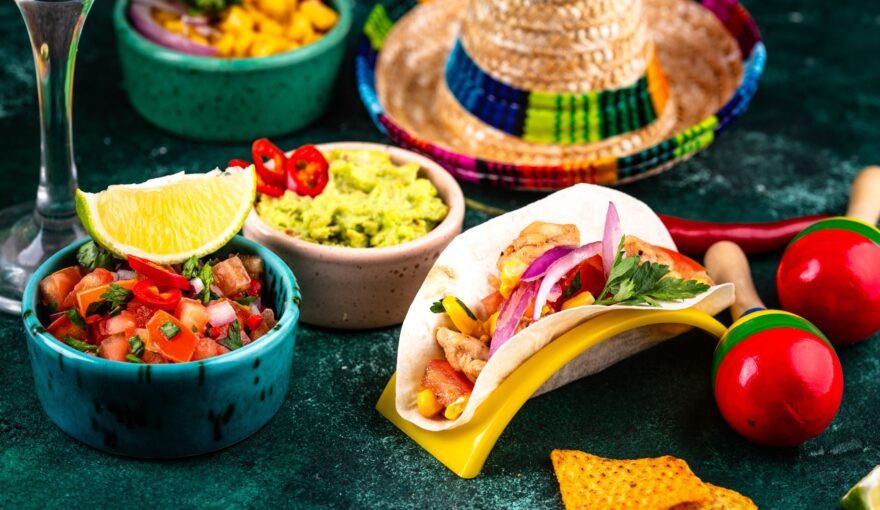
It is shaped by Indigenous cultures, Spanish influence, African heritage, and centuries of regional traditions. Countries such as Mexico, El Salvador, Peru, Colombia, Cuba, Guatemala, and many others each have their own distinctive flavors, cooking techniques, and signature dishes.
An authentic Latin restaurant understands this richness instead of reducing Latin cuisine to just a few familiar items.
Rather than relying on generic offerings, you’ll often find a menu that celebrates traditional recipes, regional specialties, and a balance of flavors that represent Latin America’s culinary diversity.
A thoughtfully designed menu tells you that the restaurant values authenticity rather than trends.
2. Fresh Ingredients Always Stand Out
Authentic cooking begins with quality ingredients.
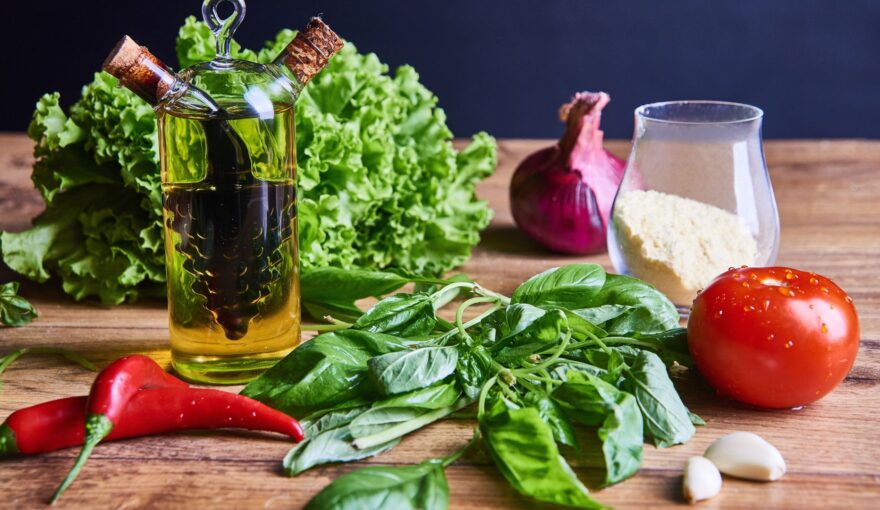
Fresh vegetables, herbs, citrus, seafood, meats, and carefully selected spices are the foundation of many traditional Latin recipes.
According to culinary experts and organizations such as the National Restaurant Association, today’s diners increasingly prioritize freshness and ingredient quality when choosing where to eat.
You may not see the kitchen before ordering, but the freshness becomes obvious through vibrant colors, balanced flavors, appealing aromas, and proper texture.
Restaurants committed to fresh ingredients consistently produce meals that taste homemade rather than mass-produced.
3. Hospitality Feels Genuine
Hospitality has always been a central part of Latin culture.
Across many Latin American countries, sharing food is closely connected with welcoming guests, celebrating milestones, and bringing families together.
That tradition often extends into authentic Latin restaurants.
You should feel acknowledged shortly after arriving.
Servers should be attentive without rushing you, willing to answer questions, and focused on making your visit comfortable from beginning to end.
Great hospitality isn’t about being formal.
It’s about making every guest feel valued.
4. The Atmosphere Reflects the Culture
Authenticity goes beyond what’s on the plate.
The atmosphere plays an equally important role.
Music, décor, colors, artwork, lighting, and overall energy should complement the dining experience rather than distract from it.
Many authentic Latin restaurants create spaces that encourage conversation, celebration, and relaxation.
Instead of feeling rushed, guests are invited to enjoy the experience, spend time together, and create lasting memories around the table.
The environment should feel warm, welcoming, and full of personality.
5. Consistency Builds Trust
One outstanding visit is memorable.
Consistently outstanding visits build loyal customers.
Consistency is one of the strongest indicators of a well-managed restaurant.
That includes food quality, presentation, portion standards, cleanliness, service, and overall hospitality.
Guests should know they can return weeks or months later and enjoy the same level of care they experienced before.
Consistency creates confidence—and confidence turns first-time visitors into regular guests.
6. Attention to Detail Makes the Difference
Authentic restaurants rarely overlook the small things.
Clean dining areas.
Thoughtfully presented dishes.
Friendly greetings.
Prompt service.
Well-maintained dining spaces.
Professional staff.
Every detail contributes to the overall impression.
When a restaurant pays attention to these seemingly small elements, it usually reflects the same level of care in the kitchen.
7. Guests Return for More Than the Food
One of the clearest signs of authenticity is a loyal customer base.
People return to restaurants because they trust the experience.
They know they’ll receive quality food, welcoming service, and an atmosphere where they can celebrate birthdays, enjoy date nights, gather with family, or simply unwind after a busy week.
Great restaurants don’t just serve meals.
They become part of people’s routines and traditions.
Choosing the Right Latin Restaurant
Before deciding where to dine, ask yourself a few simple questions:
- Does the menu reflect authentic Latin traditions instead of generic options?
- Does the restaurant appear clean, welcoming, and well cared for?
- Is the atmosphere inviting enough to encourage conversation and relaxation?
- Do reviews consistently mention excellent service and hospitality?
- Does the restaurant seem committed to quality rather than shortcuts?
When the answer is yes, you’re much more likely to enjoy an experience that exceeds expectations.
Experience Authentic Latin Hospitality at Azúcar Restaurant
At Azúcar Restaurant, we believe authenticity is about much more than recipes.
It’s reflected in the ingredients we choose, the hospitality we provide, the atmosphere we create, and the consistency we deliver every day.
Whether you’re joining us for a casual lunch, a family gathering, a date night, or a celebration with friends, our goal is simple: to provide an authentic Latin dining experience that makes every visit memorable.
If you’re looking for a restaurant where quality, tradition, hospitality, and atmosphere come together naturally, we invite you to experience Azúcar Restaurant for yourself.
The best way to recognize an authentic Latin restaurant is to visit one that values every detail—from the first welcome to the last bite.