
The Rise of “Intentional Dining”: Why People Are Choosing Better, Not More

Dining habits have shifted. Not dramatically in volume—but significantly in mindset.

Today’s diners are not necessarily going out more often. In many cases, they are going out less. But when they do, the expectation is clear: the experience has to be worth it.

This shift is known as intentional dining—a growing behavior where consumers choose quality, atmosphere, and overall experience over frequency. It’s not about cutting back. It’s about choosing better.

And for restaurants, this change has created a new reality: every visit matters more than ever.

Fewer Outings, Higher Expectations

Rising costs, busier schedules, and changing priorities have made people more selective with how they spend their time and money. According to industry insights, consumers are reducing casual, unplanned dining and replacing it with more deliberate choices.

Instead of asking “Where should we eat?”
They’re asking, “Where is it actually worth going?”

This means:

  • spontaneous, low-expectation meals are declining
  • planned outings are increasing
  • guests are more aware of value and experience

Each visit becomes more intentional—and more important.

What Makes a Dining Experience Worth Choosing

When people go out less frequently, they expect more from each experience. The decision is no longer based on convenience, but on confidence.

Here’s what drives that decision today:

1. Consistent Quality

Guests are looking for reliability. They want to know that the food will meet expectations every single time.

Consistency builds trust—and trust drives repeat visits.

2. A Clear Experience, Not Just a Menu

Intentional diners are not just choosing dishes. They are choosing environments.

They want:

  • an atmosphere that matches the occasion
  • energy that feels right (not too loud, not too quiet)
  • a space where they can relax and enjoy their time

Restaurants that feel generic are easy to skip. Places with identity are easier to choose.

3. Service That Adds Value

When dining becomes less frequent, service becomes more noticeable.

Attentive, welcoming, and knowledgeable staff elevate the experience. They remove friction and create comfort, which directly impacts how the entire visit is perceived.

4. Emotional Return on the Experience

Today’s diners measure value emotionally as much as financially.

They ask themselves:

  • Did I enjoy my time?
  • Would I come back?
  • Would I recommend this place?

If the answer is yes, the experience was worth it—regardless of price.

How to Choose the Right Restaurant Today

With so many options available, intentional diners are becoming smarter about how they choose where to go.

Here’s what they look for:

  • Consistency in reviews: not just high ratings, but repeated positive experiences
  • Atmosphere and energy: visible through photos, videos, and social presence
  • Service mentions: strong indicators of overall experience
  • Food presentation and quality: signals of attention to detail
  • A sense of identity: not just another place, but a place with character

These factors reduce risk and increase confidence before even walking through the door.

Why Some Restaurants Are Winning in This Shift

Intentional dining is not a challenge for every restaurant. For some, it’s an opportunity.

The restaurants that are succeeding today understand that:

  • guests are visiting less often, but expecting more
  • every experience must feel complete
  • quality, service, and atmosphere must work together

They don’t rely on volume. They focus on delivering a strong, memorable experience every time.

And that’s exactly what earns repeat visits, recommendations, and long-term loyalty.

Make Every Night Out Count

When dining becomes intentional, every choice matters.

People are no longer going out just to eat. They are going out to enjoy, connect, and make their time feel meaningful.

That’s why choosing the right place is no longer optional—it’s essential.

If you’re going to go out, choose somewhere that delivers on every level. A place where the food is consistent, the service feels genuine, and the atmosphere makes you want to stay longer.

Because today, it’s not about dining more.

It’s about dining better.

READ MORE
Blog

Why Dining Out Feels “Worth It” Again — And What People Expect Today

Over the past few years, dining out has changed. Prices have increased, expectations have risen, and customers are no longer willing to spend money on experiences that feel average. Today’s diner is more intentional, more selective, and far more aware of value.

It’s no longer just about going out to eat. It’s about deciding whether the experience is truly worth it.

And that shift is exactly why some restaurants are thriving while others are being left behind.

The New Reality: Value Is Everything

Recent consumer behavior studies show that diners are still going out, even with higher prices—but they are doing it differently. Instead of frequent, casual visits, people are choosing fewer outings and expecting more from each one.

This means every detail matters.

Guests are asking themselves:

  • Was the food worth the price?
  • Did the service make me feel taken care of?
  • Did the overall experience justify leaving home?

If the answer is no to any of these, they are unlikely to return.

What Actually Makes a Dinner “Worth It”

The idea of “value” in dining has evolved. It is no longer about low prices. It is about the balance between what you pay and what you receive.

1. Quality That You Can Taste

Fresh ingredients, proper preparation, and attention to detail are no longer optional. Diners can immediately tell the difference between food that is thoughtfully prepared and food that is simply assembled.

When flavors are bold, balanced, and consistent, guests feel confident in their decision to spend.

2. An Experience Beyond the Plate

Food alone is not enough anymore. Atmosphere, music, energy, and presentation all shape how a meal is perceived.

A well-designed dining experience creates:

  • comfort
  • connection
  • enjoyment that goes beyond eating

This is why two restaurants with similar menus can feel completely different in value.

3. Service That Feels Genuine

Service plays a critical role in perceived value. Guests remember how they were treated just as much as what they ate.

Attentive, knowledgeable, and friendly service transforms a meal into a personalized experience. It removes friction, builds trust, and makes guests feel welcome.

4. Consistency You Can Rely On

One great visit is not enough. What truly defines value is consistency over time.

Guests return to places where they know:

  • the food will meet expectations
  • the service will be reliable
  • the experience will feel familiar in the best way

Consistency reduces risk—and in today’s market, that matters more than ever.

Why Some Restaurants Justify the Price—and Others Don’t

In a market where nearly every restaurant has raised prices, the difference is no longer what they charge. The difference is what they deliver.

Restaurants that succeed today:

  • invest in ingredient quality instead of cutting corners
  • train staff to create real connections with guests
  • design an atmosphere that enhances the experience
  • focus on delivering a complete, cohesive visit

Restaurants that fail to do this often rely only on pricing strategies, which is no longer enough to earn loyalty.

Guests notice the difference immediately.

Dining Out Is No Longer Routine—It’s a Decision

For many people, going out to eat has become a planned experience rather than a default option. It’s something they look forward to, something they choose carefully.

That also means expectations are higher.

When a restaurant delivers on food, service, and atmosphere at the same time, the price becomes secondary. The experience justifies the cost.

When it doesn’t, even a lower price can feel like a waste.

Choose an Experience That Feels Worth It

A great dining experience should leave you feeling satisfied, relaxed, and already thinking about coming back.

It should feel like time and money well spent.

That’s the standard today—and the restaurants that understand it are the ones people return to again and again.

If you’re going to go out, choose a place that delivers on every level. Because when everything comes together the right way, dining out doesn’t feel expensive.

It feels worth it.

READ MORE
Blog

Beyond Mexican Food: Understanding the Diversity of Latin American Cuisine

For many diners in the United States, Latin American food is often reduced to a single idea: tacos, burritos, and familiar Tex-Mex flavors. While these dishes are popular and beloved, they represent only a small fraction of one of the most diverse culinary regions in the world.

Latin American cuisine is not one cuisine. It is a vast collection of cultures, histories, and cooking traditions shaped over centuries by Indigenous civilizations, Spanish colonization, African heritage, and local ingredients unique to each country. Understanding this diversity transforms dining from a routine meal into a cultural experience — one that allows you to travel through flavor without ever leaving your table.

And today, more diners are looking for exactly that: authenticity, discovery, and meaningful food experiences.

A Cuisine Shaped by Three Powerful Cultural Influences

The richness of Latin American food comes from the blending of three major culinary roots, each contributing essential techniques and flavors still used today.

Indigenous Foundations

Long before European arrival, Indigenous civilizations across Mesoamerica and South America developed sophisticated food systems centered around corn, beans, squash, peppers, cacao, and native herbs. Cooking methods such as roasting, grinding, slow stewing, and stone-based preparation created deeply layered flavors using simple ingredients.

These traditions remain the backbone of Latin cooking. Corn masa preparations, hearty soups, and slow-cooked dishes all trace back to Indigenous culinary knowledge that prioritized balance, nourishment, and community.

Spanish Influence

Beginning in the 15th and 16th centuries, Spanish colonization introduced new ingredients and techniques that permanently shaped regional cuisines. Rice, wheat, citrus fruits, garlic, onions, olive oil, and livestock such as cattle and pigs expanded the culinary landscape.

Spanish cooking methods like sautéing, braising, and marinating blended with Indigenous traditions, creating dishes that balance acidity, richness, and depth — a hallmark of Latin cuisine today.

African Heritage

Often overlooked but essential, African culinary influence entered Latin America through the transatlantic slave trade. African communities contributed cooking techniques, spice usage, and ingredients such as plantains, okra, and complex seasoning traditions.

This influence is especially visible in Caribbean and coastal cuisines, where bold flavors, slow cooking, and rhythmic combinations of spices create dishes known for warmth and intensity.

The result is not a single culinary identity, but a vibrant fusion shaped by resilience, migration, and cultural exchange.

One Region, Countless Culinary Identities

Latin America spans more than 20 countries, each with its own geography, climate, and cultural evolution. That diversity directly affects how food tastes.

  • Coastal regions emphasize seafood, citrus, and lighter preparations.

  • Mountain regions favor slow-cooked meats and hearty stews designed for colder climates.

  • Tropical areas highlight fresh herbs, fruits, and vibrant seasoning.

  • Central American cuisine blends comfort food traditions with bold sauces and grilled preparations.

  • South American grilling cultures focus on fire, seasoning, and high-quality proteins.

This regional variation means that a well-crafted Latin menu can offer an entire culinary journey in a single visit — something many diners don’t realize until they experience it firsthand.

Exploring Latin America Without Traveling

Modern diners increasingly seek cultural exploration through food. According to hospitality industry trends following the pandemic, guests are choosing restaurants that offer authenticity and discovery rather than predictable menus. Dining has become a form of travel — an accessible way to experience new cultures through flavor, atmosphere, and hospitality.

A restaurant that embraces multiple Latin traditions allows guests to:

  • discover unfamiliar flavors in a comfortable setting

  • experience culinary heritage without international travel

  • share dishes that spark conversation and connection

  • expand their understanding of what Latin cuisine truly represents

Instead of ordering the same familiar meal, diners can explore an entire region through carefully prepared dishes that reflect real culinary traditions.

Why Authentic Diversity Matters Today

In an era where many restaurants simplify menus for convenience, culinary diversity stands out. Guests notice when food feels intentional, rooted in tradition, and prepared with cultural understanding rather than imitation.

Authenticity builds trust. Variety creates excitement. And together, they turn a restaurant visit into an experience worth repeating.

When a kitchen respects multiple Latin culinary traditions, every visit becomes an opportunity to try something new while still enjoying the warmth and comfort that define Latin hospitality.

Experience the Full Spectrum of Latin Flavor

Latin American cuisine is far more than a single category — it is a living story told through ingredients, techniques, and generations of cultural influence. The best way to understand it is not by reading about it, but by tasting it.

If you’ve only experienced a small portion of what Latin food has to offer, this is the moment to explore further. Discover the flavors shaped by Indigenous roots, Spanish tradition, and African heritage — all coming together in one place.

Because great dining should do more than satisfy hunger. It should transport you, surprise you, and make you want to come back again.

Your next culinary journey doesn’t require a passport. It only requires choosing the right table.

READ MORE
Blog

The Art of Marinating: The Secret Behind Our Meats

In Latin American cuisine, the best meats depend not only on the cut or the cooking method. The real secret lies in the marinade: that process in which carefully selected ingredients completely transform flavor, texture, and aroma. At Azúcar Restaurant, the art of marinating is a tradition we follow with precision, respecting techniques that have been perfected over generations.

Below, we’ll show you why a good marinade makes all the difference and how this process is key to the quality of our dishes.

What is a Marinade, Really?

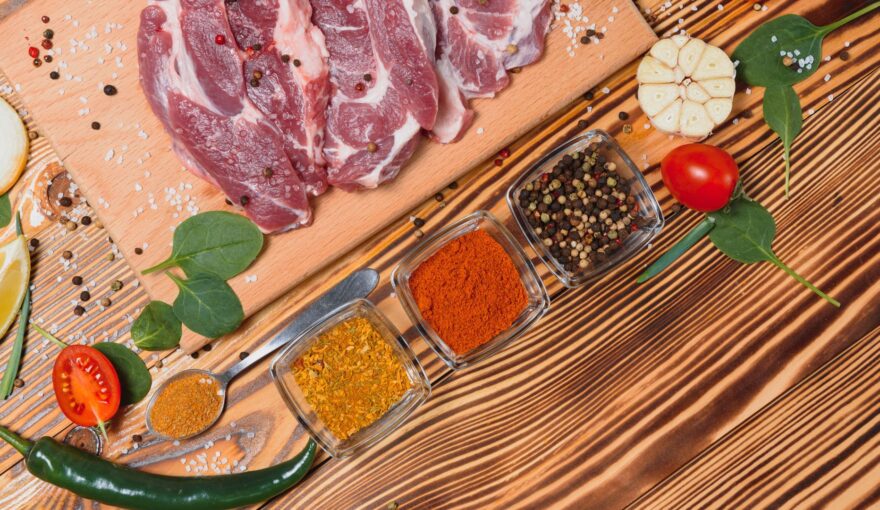
A marinade is a mixture of liquid and dry ingredients in which meats are submerged for a specific period to enhance their flavor, tenderness, and juiciness.

Not all marinades are the same; each culture has developed its own according to its ingredients and cooking methods.

In Latin American cuisine, marinades stand out for their balance of acidity, spices, and freshness. This combination is what brings to life meats like carne asada, marinated chicken, Caribbean-style cuts, and dishes inspired by Mexican and Central American cuisine.

The Pillars of a Good Latin Marinade

At Azúcar Restaurant, we use traditional ingredients, selected not only for their flavor but also for how they interact to transform each cut.

  1. Acidity

The acidic component is fundamental because it helps tenderize the meat.

The most common bases include:

  • Fresh lime or lemon
  • Vinegar
  • Sour orange in Caribbean or Central American styles

Acidity opens the fibers and allows the other flavors to penetrate evenly.

  1. Spices and Fresh Herbs

Latin cuisine is known for its generous use of spices, especially in marinades.

Among the most commonly used are:

  • Garlic
  • Onion
  • Oregano
  • Pepper
  • Cumin
  • Cilantro

These spices not only provide aroma; They create a distinctive flavor profile that’s recognizable from the first bite.

  1. Aromatic Elements

The most complete marinades include ingredients that add depth:

  • Dried or fresh chili
  • Paprika
  • Soy sauce or Worcestershire sauce in some modern fusions
  • Oil to bind the flavors

In our restaurant, each combination is carefully crafted to achieve a balance where no single ingredient overpowers another.

Timing: The Difference Between Average Meat and a Memorable One

Marinating isn’t just mixing ingredients and waiting. Each type of meat requires a specific amount of time to absorb the flavors without losing its texture. In general:

  • Chicken: between 2 and 12 hours depending on the cut
  • Beef: minimum 4 hours, ideally 12 to 24
  • Pork: between 6 and 12 hours
  • Thicker or denser cuts: may require up to a full day

At Azúcar Restaurant, we respect these times because we know that shortening the process affects tenderness, and prolonging it more than necessary can alter the texture. Precision is part of our culinary identity.

Traditional techniques that elevate the result

Latin cuisine preserves practices that enhance the effect of the marinade:

  • Marinate with fresh ingredients instead of processed mixes.
  • Use freshly squeezed citrus fruits to avoid bitterness.
  • Prepare small batches of marinade daily to maintain freshness.
  • Marinate in cold water to prevent spoilage.

Each step is designed to preserve authenticity and guarantee a superior culinary experience.

Why Our Meats Stand Out

The difference between simply cooked meat and truly memorable meat lies in the dedication before it hits the grill. At Azúcar Restaurant, we invest time and care in every marinade because we know our customers recognize and value quality in every dish.

Each cut we serve undergoes a process that combines tradition, technique, and fresh ingredients. We leave nothing to chance: from the selection of ingredients to the precise proportions of each blend.

Come and experience the result of the true art of marinating.

Marinades don’t just transform the meat; they transform the experience.

If you’re looking for rich flavors, tender meats, and a level of quality that’s hard to find elsewhere, this is your chance to visit us.

At Azúcar Restaurant, every dish is prepared with the same dedication that characterizes the traditional cuisines of Mexico and Latin America. We invite you to discover why our meats are one of the reasons so many customers return time and time again.

We look forward to welcoming you and letting you experience the flavor that only a good marinade can offer.

READ MORE