


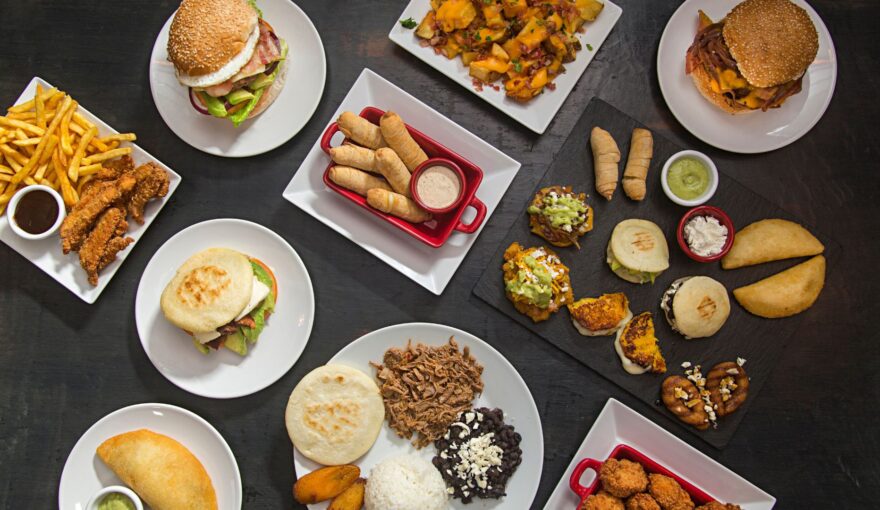
Beyond Mexican Food: Understanding the Diversity of Latin American Cuisine
For many diners in the United States, Latin American food is often reduced to a single idea: tacos, burritos, and familiar Tex-Mex flavors. While these dishes are popular and beloved, they represent only a small fraction of one of the most diverse culinary regions in the world.
Latin American cuisine is not one cuisine. It is a vast collection of cultures, histories, and cooking traditions shaped over centuries by Indigenous civilizations, Spanish colonization, African heritage, and local ingredients unique to each country. Understanding this diversity transforms dining from a routine meal into a cultural experience — one that allows you to travel through flavor without ever leaving your table.
And today, more diners are looking for exactly that: authenticity, discovery, and meaningful food experiences.
A Cuisine Shaped by Three Powerful Cultural Influences
The richness of Latin American food comes from the blending of three major culinary roots, each contributing essential techniques and flavors still used today.
Indigenous Foundations
Long before European arrival, Indigenous civilizations across Mesoamerica and South America developed sophisticated food systems centered around corn, beans, squash, peppers, cacao, and native herbs. Cooking methods such as roasting, grinding, slow stewing, and stone-based preparation created deeply layered flavors using simple ingredients.
These traditions remain the backbone of Latin cooking. Corn masa preparations, hearty soups, and slow-cooked dishes all trace back to Indigenous culinary knowledge that prioritized balance, nourishment, and community.
Spanish Influence
Beginning in the 15th and 16th centuries, Spanish colonization introduced new ingredients and techniques that permanently shaped regional cuisines. Rice, wheat, citrus fruits, garlic, onions, olive oil, and livestock such as cattle and pigs expanded the culinary landscape.
Spanish cooking methods like sautéing, braising, and marinating blended with Indigenous traditions, creating dishes that balance acidity, richness, and depth — a hallmark of Latin cuisine today.
African Heritage
Often overlooked but essential, African culinary influence entered Latin America through the transatlantic slave trade. African communities contributed cooking techniques, spice usage, and ingredients such as plantains, okra, and complex seasoning traditions.
This influence is especially visible in Caribbean and coastal cuisines, where bold flavors, slow cooking, and rhythmic combinations of spices create dishes known for warmth and intensity.
The result is not a single culinary identity, but a vibrant fusion shaped by resilience, migration, and cultural exchange.
One Region, Countless Culinary Identities
Latin America spans more than 20 countries, each with its own geography, climate, and cultural evolution. That diversity directly affects how food tastes.
- Coastal regions emphasize seafood, citrus, and lighter preparations.
- Mountain regions favor slow-cooked meats and hearty stews designed for colder climates.
- Tropical areas highlight fresh herbs, fruits, and vibrant seasoning.
- Central American cuisine blends comfort food traditions with bold sauces and grilled preparations.
- South American grilling cultures focus on fire, seasoning, and high-quality proteins.
This regional variation means that a well-crafted Latin menu can offer an entire culinary journey in a single visit — something many diners don’t realize until they experience it firsthand.
Exploring Latin America Without Traveling
Modern diners increasingly seek cultural exploration through food. According to hospitality industry trends following the pandemic, guests are choosing restaurants that offer authenticity and discovery rather than predictable menus. Dining has become a form of travel — an accessible way to experience new cultures through flavor, atmosphere, and hospitality.
A restaurant that embraces multiple Latin traditions allows guests to:
- discover unfamiliar flavors in a comfortable setting
- experience culinary heritage without international travel
- share dishes that spark conversation and connection
- expand their understanding of what Latin cuisine truly represents
Instead of ordering the same familiar meal, diners can explore an entire region through carefully prepared dishes that reflect real culinary traditions.
Why Authentic Diversity Matters Today
In an era where many restaurants simplify menus for convenience, culinary diversity stands out. Guests notice when food feels intentional, rooted in tradition, and prepared with cultural understanding rather than imitation.
Authenticity builds trust. Variety creates excitement. And together, they turn a restaurant visit into an experience worth repeating.
When a kitchen respects multiple Latin culinary traditions, every visit becomes an opportunity to try something new while still enjoying the warmth and comfort that define Latin hospitality.
Experience the Full Spectrum of Latin Flavor
Latin American cuisine is far more than a single category — it is a living story told through ingredients, techniques, and generations of cultural influence. The best way to understand it is not by reading about it, but by tasting it.
If you’ve only experienced a small portion of what Latin food has to offer, this is the moment to explore further. Discover the flavors shaped by Indigenous roots, Spanish tradition, and African heritage — all coming together in one place.
Because great dining should do more than satisfy hunger. It should transport you, surprise you, and make you want to come back again.
Your next culinary journey doesn’t require a passport. It only requires choosing the right table.