

Blog

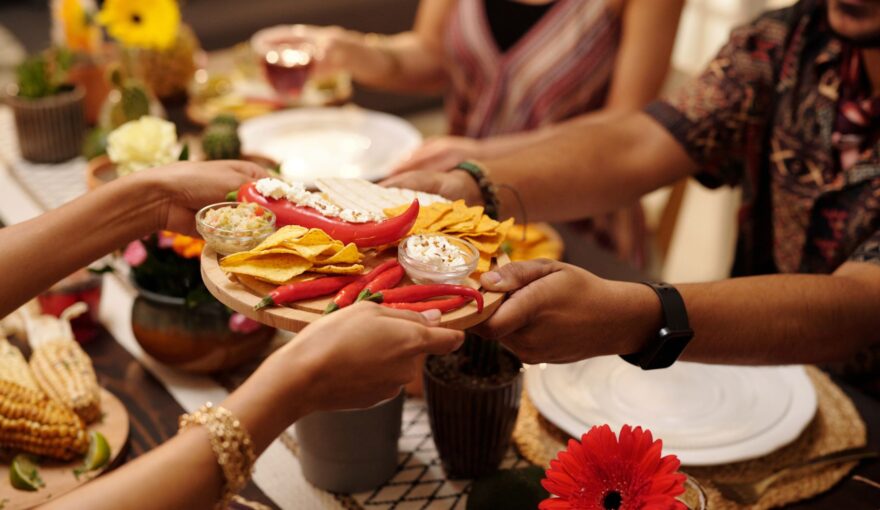
Latin Dining Is Meant to Be Shared: The Culture Behind Group Meals

In many parts of the world, dining is individual — a quick meal, a personal plate, a rushed experience. In Latin American culture, however, food has always meant something deeper. Meals are not simply about eating; they are about gathering, celebrating, and connecting.

This cultural approach to dining is exactly why Latin restaurants naturally become the preferred choice for birthdays, family reunions, celebrations, and group dinners. The experience is designed around togetherness, not convenience.

For anyone trying to organize a memorable group outing, understanding the philosophy behind Latin dining explains why it works so well.

Food as a Social Tradition, Not Just a Meal

Across Latin America, sharing food is rooted in history. Indigenous communities viewed meals as communal events where preparation and eating strengthened social bonds. Later Spanish traditions reinforced long, multi-course gatherings centered around conversation, while African influences contributed celebratory food customs tied to music and community.

The result is a dining culture built around time spent together.

Meals are meant to last longer. Tables are meant to feel lively. Food is meant to be passed, tasted, and discussed.

This cultural foundation still shapes how Latin restaurants operate today — creating an atmosphere where groups feel welcome rather than rushed.

Why Latin Cuisine Naturally Fits Group Dining

Many Latin dishes are intentionally designed for sharing. Instead of isolated portions, menus often include items that encourage interaction at the table.

Common characteristics include:

  • appetizers meant for everyone to enjoy together

  • grilled dishes prepared for slicing and sharing

  • platters that allow guests to taste multiple flavors

  • sides and accompaniments placed at the center of the table

  • desserts traditionally shared among friends and family

This style removes the pressure of choosing perfectly and replaces it with discovery. Guests can try more, talk more, and experience the meal collectively.

For group organizers, this solves one of the biggest challenges: satisfying different tastes without complicating the dining experience.

Celebrations Are Part of the Culinary Identity

In Latin culture, celebrations and food are inseparable. Birthdays, anniversaries, graduations, holidays, and even casual reunions revolve around a shared table.

Music, conversation, and hospitality are not extras — they are essential elements of the experience.

Research from hospitality industry studies consistently shows that diners value atmosphere and emotional connection as much as food quality when choosing restaurants for group events. Latin dining naturally delivers both because celebration is built into the culture itself.

Guests are encouraged to stay, enjoy, and create memories rather than simply finish a meal and leave.

The Challenge of Finding the Right Restaurant for Groups

Anyone who has planned a group dinner knows the common frustrations:

  • limited seating flexibility

  • menus that don’t accommodate different preferences

  • rushed service that breaks the experience

  • environments that feel too quiet or too chaotic

  • lack of warmth or hospitality

A restaurant designed for communal dining solves these problems by prioritizing space, energy, and service flow that supports larger parties.

When the environment welcomes conversation and shared experiences, group gatherings become effortless instead of stressful.

Why Shared Dining Creates Stronger Memories

Psychological research on social dining shows that people report higher satisfaction and stronger emotional connections when meals are shared. Eating together increases conversation, laughter, and overall enjoyment — turning a simple dinner into a memorable event.

Latin dining embraces this naturally:

  • food arrives as an experience, not just an order

  • guests interact more throughout the meal

  • celebrations feel organic rather than staged

  • everyone leaves feeling included

This is why many families and friend groups return to the same Latin restaurant for milestones year after year. The space becomes part of their traditions.

Turn Your Next Gathering Into an Experience

Planning a birthday, family dinner, reunion, or group celebration should not feel complicated. The right restaurant transforms logistics into enjoyment by offering an atmosphere designed for connection, sharing, and celebration.

Latin dining was created for moments like these — where food brings people closer and every table feels alive.

If you are looking for a place where groups feel welcomed, conversations flow naturally, and every guest finds something to enjoy, choosing a restaurant built on Latin hospitality makes all the difference.

Because the best meals are never eaten alone. They are shared, celebrated, and remembered long after the table is cleared.

Reserve your table, bring your people together, and experience dining the way it was always meant to be.

READ MORE
Blog

Azúcar’s Guide to a Complete Latin Dinner: Starters, Mains, Drinks, and Dessert

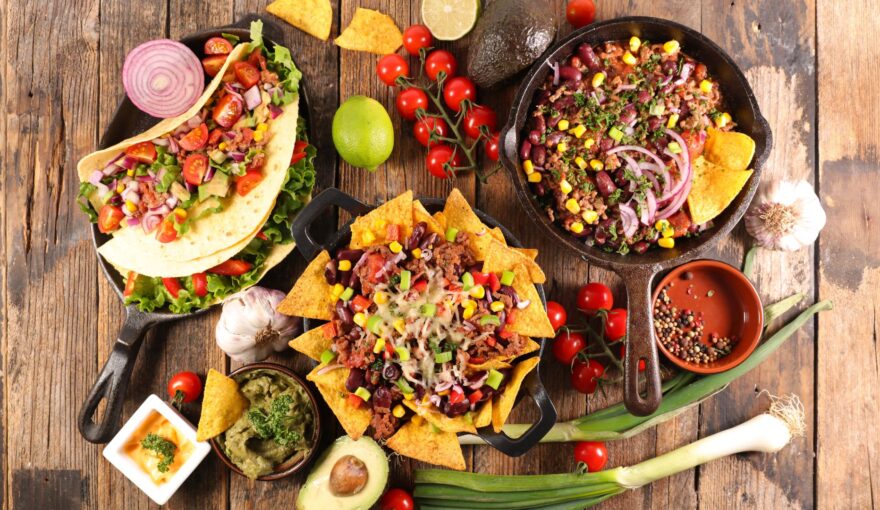
A true Latin dinner is more than a series of dishes. It is a rhythm, a sequence, and a cultural experience shaped by centuries of tradition across Mexico, Central America, South America, and the Caribbean. At Azúcar Restaurant, our menu reflects that richness. Each course carries its own meaning and sets the tone for what follows, creating a dining experience that feels intentional, warm, and unforgettable.

This guide walks you through how to build a complete Latin dinner—from the opening bite to the final sweet note—so you can enjoy your visit to Azúcar the way it was meant to be: as a full culinary journey.

  1. The Opening: How Latin Starters Set the Mood

In Latin cuisine, the first course does more than satisfy early hunger. It prepares the palate with contrasting textures, bright acidity, and bold flavors. The goal is to awaken the senses without overwhelming them.

At Azúcar, appetizers such as ceviches, tostones, quesadillas al carbón, or shrimp sautéed in garlic and sherry introduce guests to the fundamentals of Latin flavor. Citrus, fresh herbs, charred corn tortillas, and aromatic spices create a balance that mirrors the diversity of the region.

A good rule of thumb for a Latin dinner is to start with something light but layered. Ceviche, for example, is both refreshing and deeply flavorful thanks to lime juice, ginger, and cilantro. Tostones with cheese highlight Caribbean roots and bring a comforting, salty crunch. These starters open the appetite and set an upbeat, social tone typical of Latin meals.

  1. The Heart of the Experience: Choosing the Right Main Dish

The entrée is where Latin cuisine truly tells its story. Across the region, main dishes are shaped by indigenous ingredients, Spanish influence, African contributions, and countless local traditions. Because of that diversity, there is no single “Latin flavor”—there are many.

To build a complete dinner, choose a main that reflects the type of experience you want:

For a Classic Latin Comfort Experience

Dishes like carne asada, pollo asado, or chiles rellenos focus on well-seasoned proteins, slow marinades, and robust sides such as rice, beans, and handmade tortillas. These plates showcase the depth of Latin home cooking.

For a Seafood-Inspired Journey

Options like camarones entomatados, seafood enchiladas, or whole red snapper highlight the coastal character found from Mexico to El Salvador to the Caribbean. Sauces based on tomatoes, citrus, or white wine reflect regional adaptations.

For a South American Touch

Parrilladas, New York steak with garlic and herbs, and Argentine-inspired grilled dishes emphasize wood-fired flavors, fresh chimichurri, and high-quality cuts of meat.

For a More Elaborate Culinary Experience

Dishes like stuffed shrimp, stuffed chicken with spinach and mushrooms, or paella offer a more refined take on Latin fusion and Spanish heritage.

What connects all these plates is the emphasis on balance: proteins marinated with citrus or spices, vegetables sautéed with aromatics, and sides that anchor the dish rather than overshadow it.

  1. Pairing the Right Drink: The Often-Forgotten Step That Completes the Meal

A complete Latin dinner deserves a drink that enhances the flavors of the dish. While many guests default to margaritas or beer, the range of Latin beverages is much broader and can elevate the entire experience.

Tequila and Mezcal

Tequila pairs beautifully with citrus-forward dishes, grilled meats, or anything that has spice and acidity. Mezcal, with its smoky profile, complements earthy or roasted flavors, such as fajitas or queso fundido.

Wine

Latin cuisine pairs surprisingly well with wine. A crisp white wine complements seafood soups or ceviche. A dry rosé enhances caramelized meats like tacos al pastor or dishes with pineapple or citrus. Reds shine with grilled steaks, slow-cooked beef, and tomato-based sauces.

Cocktails

From mojitos to caipirinhas, Latin cocktails are built on freshness: lime, mint, sugarcane, tropical fruit, and herbs. They add brightness and energy to the meal.

The key is harmony. Choose a beverage that either matches the dish’s intensity or contrasts it in a refreshing way.

  1. Ending on a Sweet Note: The Role of Latin Desserts

Dessert in Latin cuisine is not simply an indulgence. It is a way to slow down the meal, share a moment with others, and highlight flavors that are part of everyday life across the region.

Light and Silky

Flan and tres leches showcase the elegance of custards and milk-based desserts that are staples in many Latin countries.

Warm and Comforting

Sopapillas, cajeta-based treats, or fried desserts with cinnamon reflect the warm, familiar sweetness found in Mexican and Central American kitchens.

Rich and Modern

Chocolate mousse or xangos offer a bridge between traditional flavors and contemporary presentation.

A well-chosen dessert brings the dinner to a natural close, rounding out spice, acidity, and heat with creaminess or warmth.

How to Use This Guide During Your Visit

A complete Latin dinner should feel balanced, communal, and memorable. At Azúcar, our menu is designed so every guest can build their own journey:

  • Start with freshness.
  • Move into depth.
  • Pair with intention.
  • End with something meaningful.

Whether you are celebrating a special occasion, hosting family, or simply exploring new flavors, following this structure transforms dinner into an experience.

Why This Matters at Azúcar

Our goal is not only to serve food, but to share the traditions and rhythms that shape Latin dining culture. Understanding how each course works together enhances every bite and inspires guests to explore more of the menu, return for new combinations, and invite others to share the experience.

A complete Latin dinner is not rushed. It is enjoyed.

And at Azúcar Restaurant, we are proud to guide you through every step of that journey.

READ MORE