

Why Fresh Ingredients Matter More Than Ever in Restaurant Dining
In the restaurant industry, the gap between expectation and reality often comes down to one thing: ingredients. Diners today are more informed, more health-conscious, and more discerning than ever before. After the pandemic, this shift has only accelerated. People now expect transparency, quality, and freshness—not just in theory, but in every bite.
At Azúcar Restaurant, this expectation is our standard, not an exception.
The Changing Expectations of Diners
Over the past several years, research and industry trends have shown a clear shift. According to the National Restaurant Association’s 2024 State of the Restaurant Industry report, consumers increasingly prioritize fresh, high-quality ingredients when choosing where to eat. They want to know that what they are served is real, whole, and prepared with care—not something that was mass-produced or reheated.
This reflects a broader cultural move toward sustainability and health, where patients have grown reluctant to dine in establishments that cut corners to save costs or time.
When a restaurant uses fresh ingredients, it shows respect for the diner—and for the food itself.
What Fresh Ingredients Actually Change
Fresh ingredients are not just a marketing term. They transform dishes in several meaningful ways:
1. Flavor
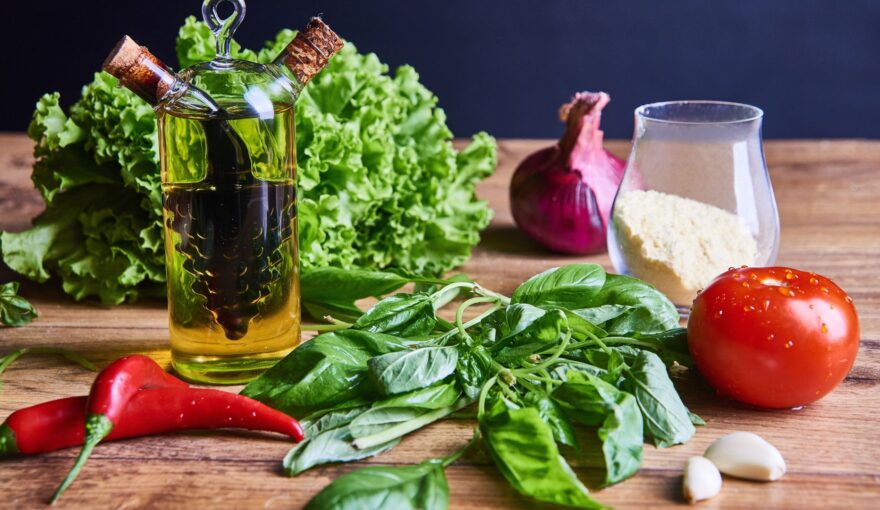
Fresh produce, herbs, and proteins have a brightness and complexity that cannot be replicated by frozen or pre-processed alternatives. The natural oils and sugars in fresh ingredients react during cooking to create nuanced flavor profiles that pre-packaged items simply cannot match.
2. Texture
The integrity of fresh vegetables, meats, and grains holds up better under heat and seasoning. A tomato picked at its peak will hold its juices. A fresh cut of meat will sear and caramelize without becoming dry or chewy.
3. Nutrition
Fresh ingredients preserve vitamins and minerals more effectively than processed items. Although the difference may vary by ingredient, fresh food generally aligns with the diets of diners who care about long-term health and well-being.
4. Aroma
Aroma is often underestimated, but it is a major part of perception. Fresh herbs and ingredients release fragrance at different stages of cooking, contributing significantly to the sensory experience long before a dish reaches the table.
Why Freshness Builds Trust
In a post-pandemic world, many diners remain vigilant. Stories of restaurants cutting corners—whether for cost, convenience, or speed—have made consumers wary. They want assurance that the food they eat is prepared with care. Fresh ingredients build trust because they are visible, tangible, and unambiguous.
A salad leaves no mystery. A freshly grilled protein tells a story. Quality cannot be disguised.
At Azúcar, we source ingredients that reflect this standard. We choose suppliers who value freshness and consistency. Every order is prepared with attention to how the ingredients behave in the kitchen and how they will be experienced on the plate.
What Fresh Ingredients Mean for Your Dining Experience
Using fresh ingredients isn’t just about taste; it’s about the entire restaurant experience:
- Predictable quality: Every visit delivers the same high standard.
- Enhanced flavor profiles: You taste complexity, not just seasoning.
- Greater satisfaction: Fresh food feels more “alive” on the palate.
- Emotional reward: Diners feel cared for and well-served.
When diners walk into Azúcar, they are choosing an experience defined by authenticity—no shortcuts, no compromises.
Fresh Ingredients, Real Dining Value
Some restaurants cut costs by relying on frozen or pre-made components. But this often results in food that feels flat, uninspired, or impersonal. At Azúcar, we reject that approach because we believe food should reflect craftsmanship, respect for tradition, and a commitment to quality.
Fresh ingredients are not just better for flavor; they are a reflection of values—values we want every guest to feel from the moment they sit down.
Why You Should Visit Today
If you’ve been disappointed before by restaurants that over-promise and under-deliver, it’s time to rediscover what real Latin cuisine can be. At Azúcar Restaurant, every dish is prepared with fresh ingredients that honor regional techniques and elevate every bite. This is not an abstract promise—it is the essence of our kitchen.
Come experience the difference that freshness truly makes. Your next meal can be more than food—it can be a rediscovery of what dining out should feel like.
Visit Azúcar Restaurant and taste freshness the way it was meant to be served.